Procyon Metals
Media Library

Procyon Metals Media Library

A curated selection of images documenting strategic metals, rare earth elements, and their industrial applications. Click any image to enlarge it.
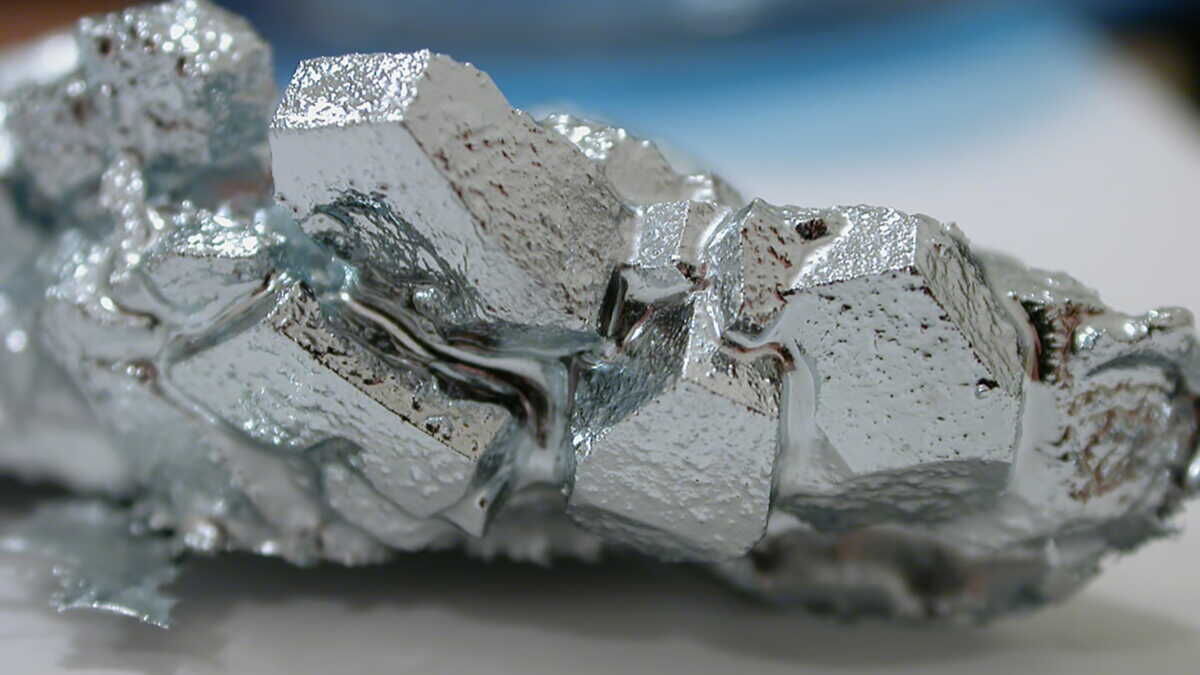
Piece of metallic gallium with a silvery lustre
Piece of gallium Gallium is a silvery-white metal that melts at 29.8 °C — in the palm of your hand. It goes into gallium arsenide and gallium nitride semiconductors used in radar, LEDs and power electronics.
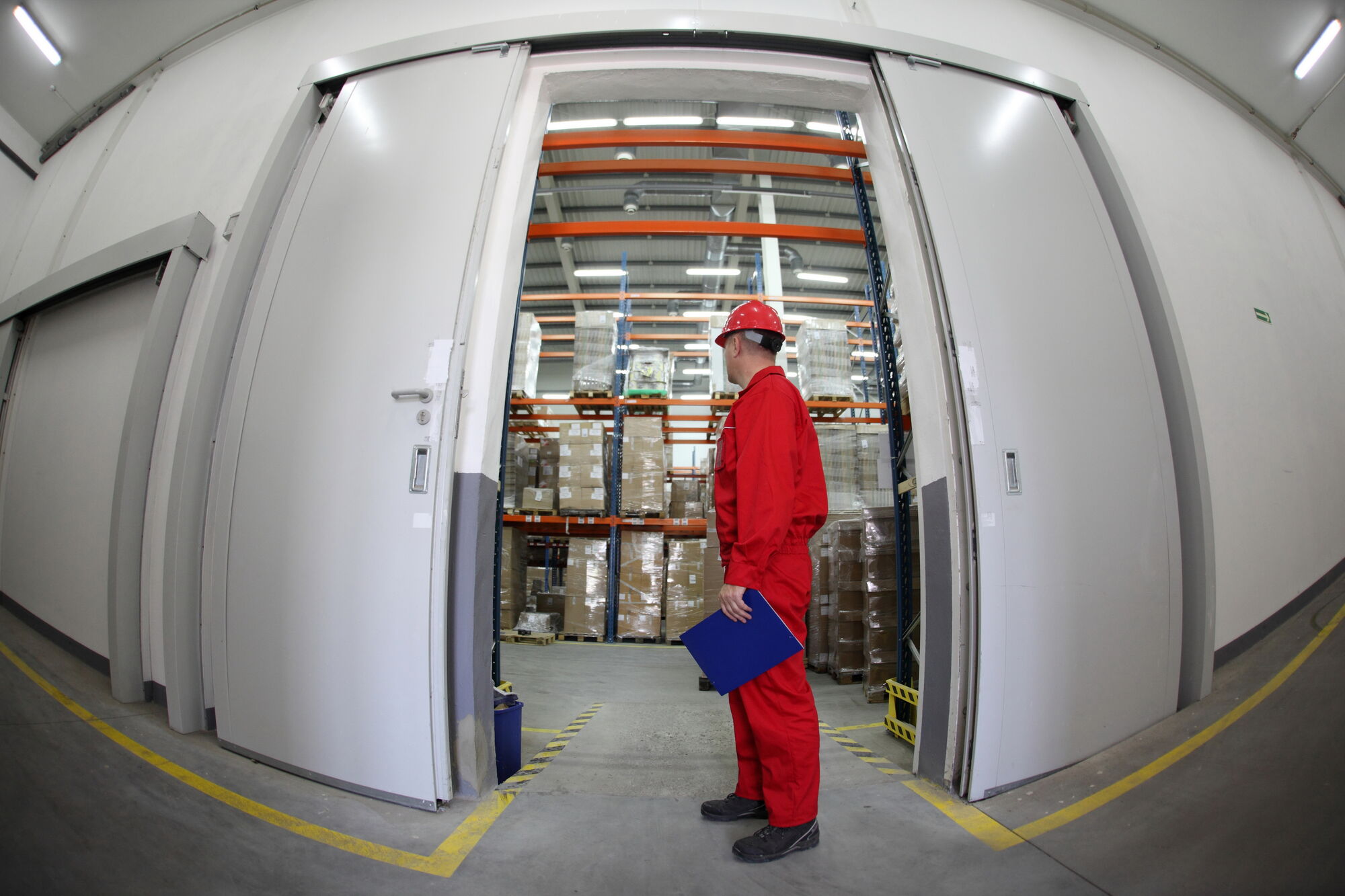
Secure metals storage facility under video surveillance
Secure storage facility under surveillance Physically held strategic metals sit in bonded storage under continuous surveillance and insurance cover. A documented chain of custody is what makes a lot resaleable.
Aircraft engine turbine built from rhenium superalloys
Rhenium lets aircraft engines withstand extreme temperatures Rhenium goes into the single-crystal superalloys of high-pressure turbine blades. It raises the service temperature of jet engines, making it a critical metal for civil aviation and defence.
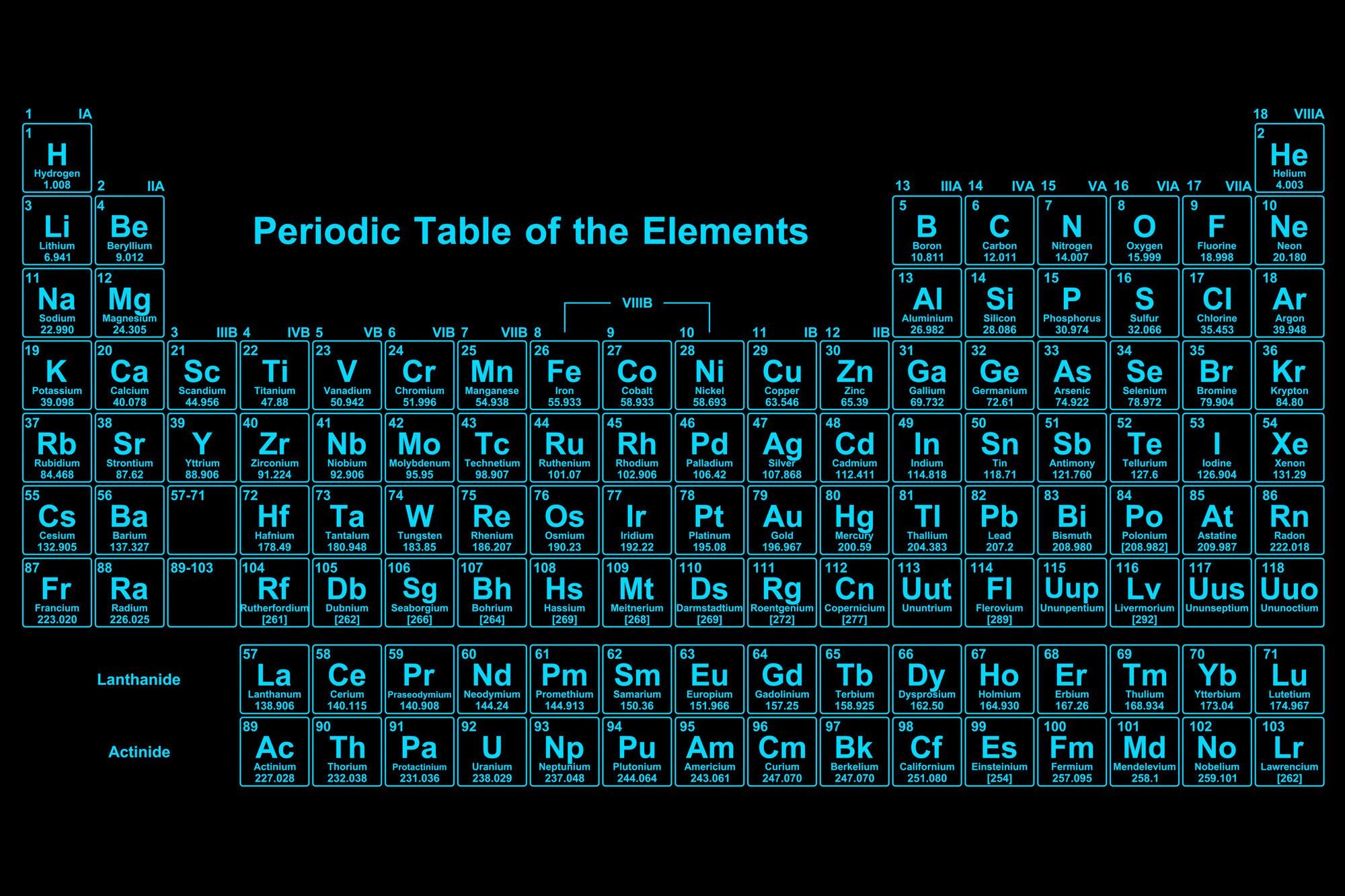
Periodic table of the chemical elements
Periodic table of the elements The strategic metals Procyon Metals tracks span the rare earths (lanthanides), the refractory metals, and metalloids such as gallium and germanium.
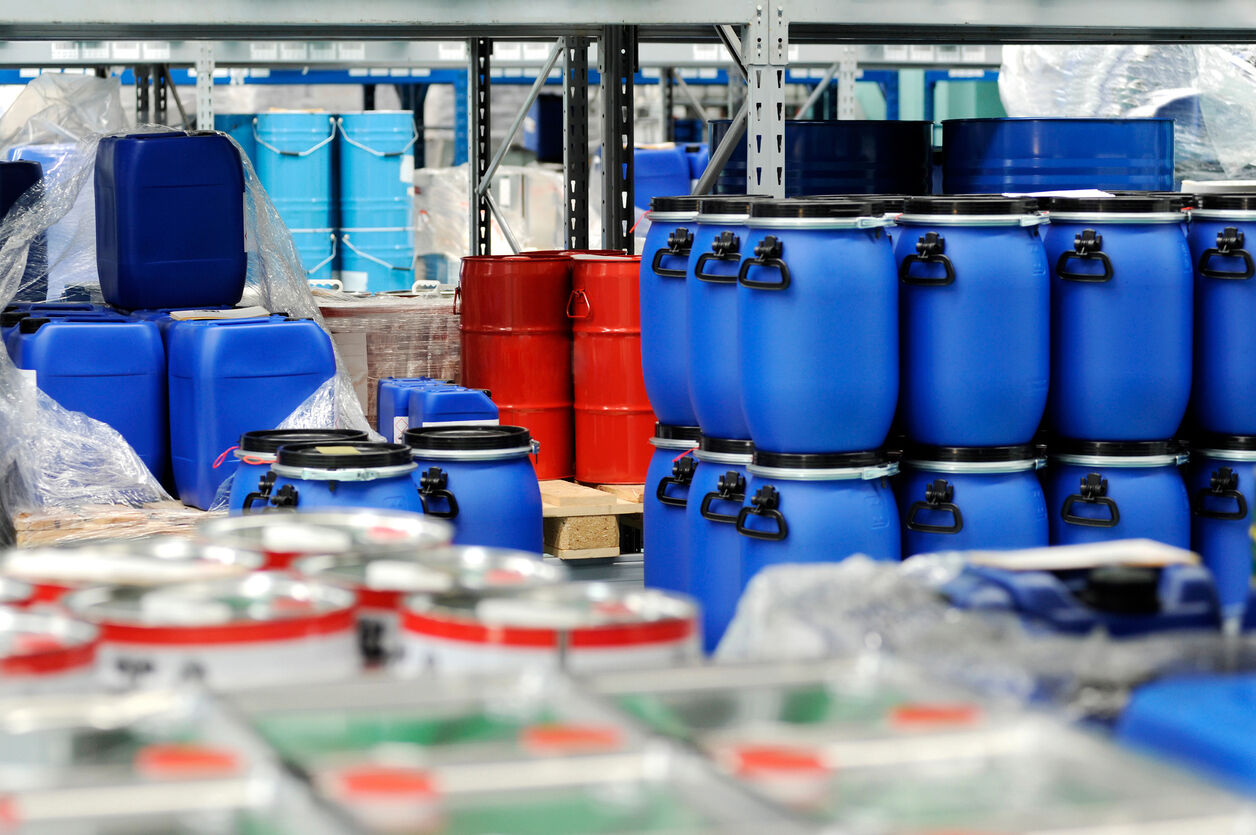
Sealed Procyon Metals storage drums holding rare earth oxides
Storage drums for rare earth oxides Rare earth oxides are packed in sealed drums accompanied by a certificate of analysis stating the purity of the lot. Without that certificate the lot does not match the quoted grade and becomes hard to resell.
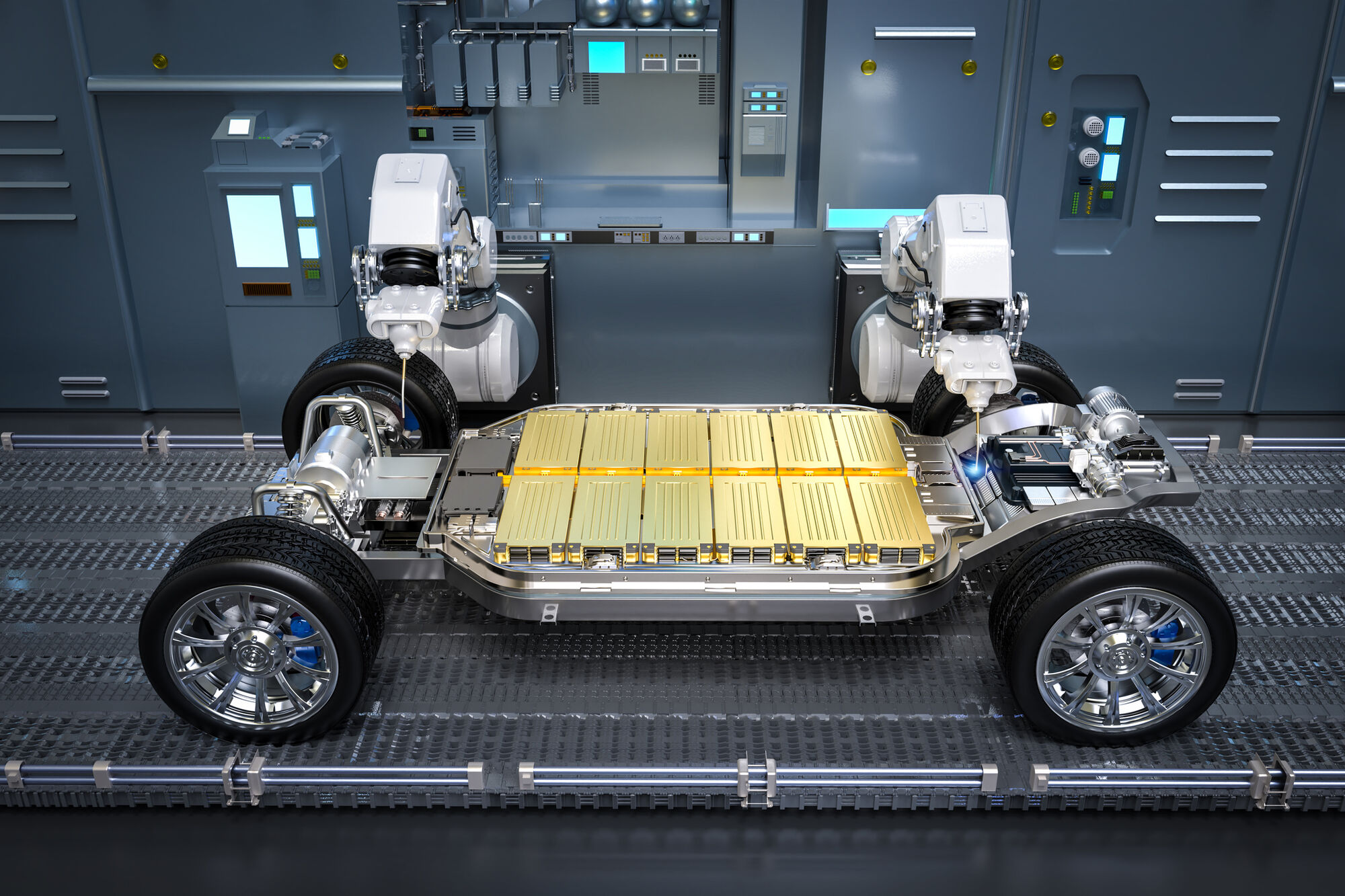
Lithium-ion battery pack for an electric vehicle
Lithium in electric vehicle batteries An EV drivetrain draws on lithium, cobalt and neodymium — the last for the motor's permanent magnets. Automotive demand is the primary consumption driver for these metals.
Indium and terbium samples illustrating their physical properties
Properties of indium and terbium Indium enables touchscreens through indium tin oxide; terbium goes into high-temperature magnets and phosphors. Both price against certified grade and purity, not against the generic metal.
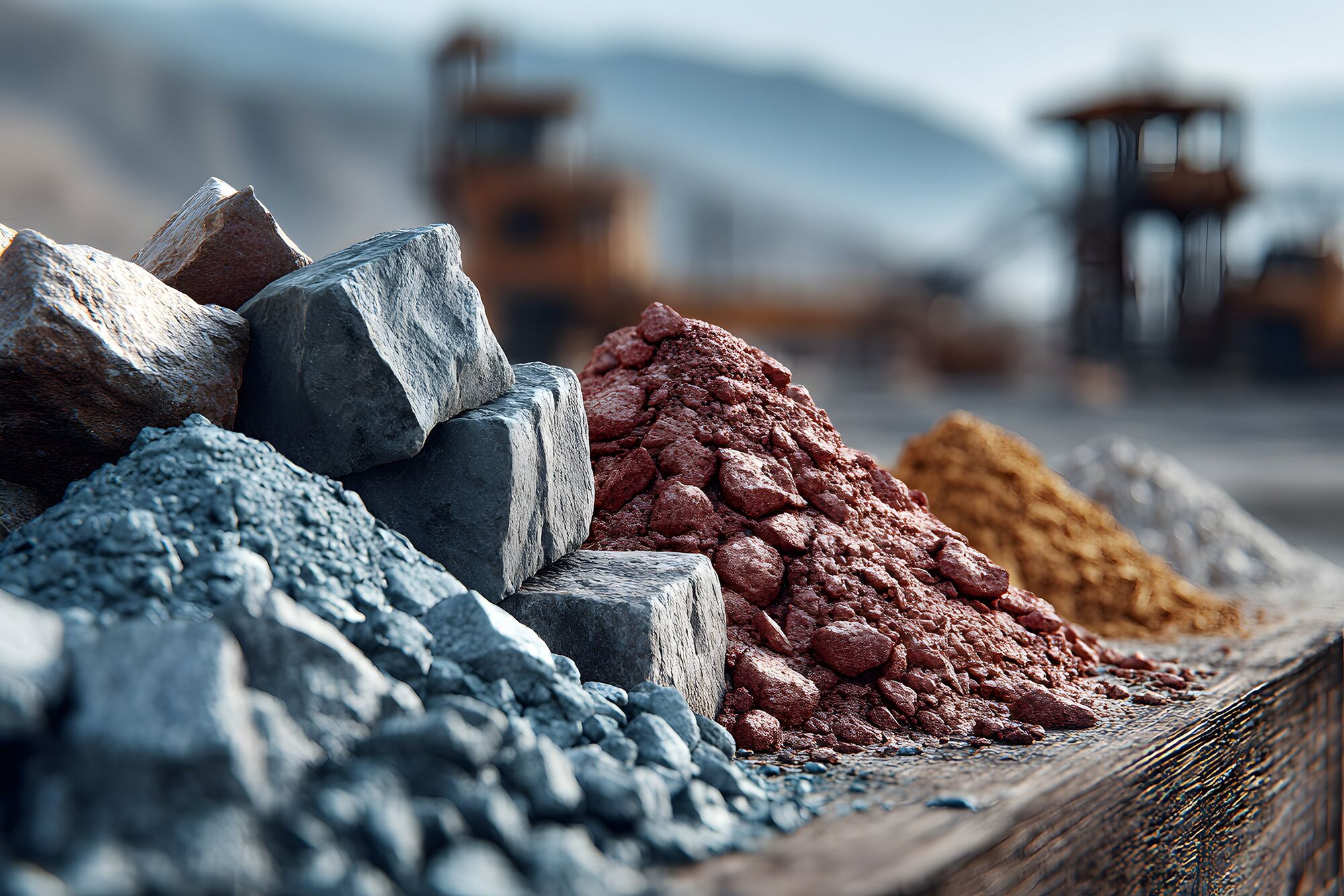
Rare earth extraction and processing site in China
China's rare earth resources China concentrates most of the world's rare earth separation and refining capacity. That concentration is why prices react so sharply to Beijing's export decisions.
Satellite in orbit relying on rare earth magnets
Without rare earths, satellites stay on the ground Satellites depend on samarium-cobalt and neodymium magnets for actuators and reaction wheels, and on germanium for space-grade solar cells.
Night-vision goggles built with terbium phosphors
Terbium, the key component of night-vision goggles Terbium goes into the green phosphors of light-intensification devices. Defence applications sustain demand that is largely price-inelastic.
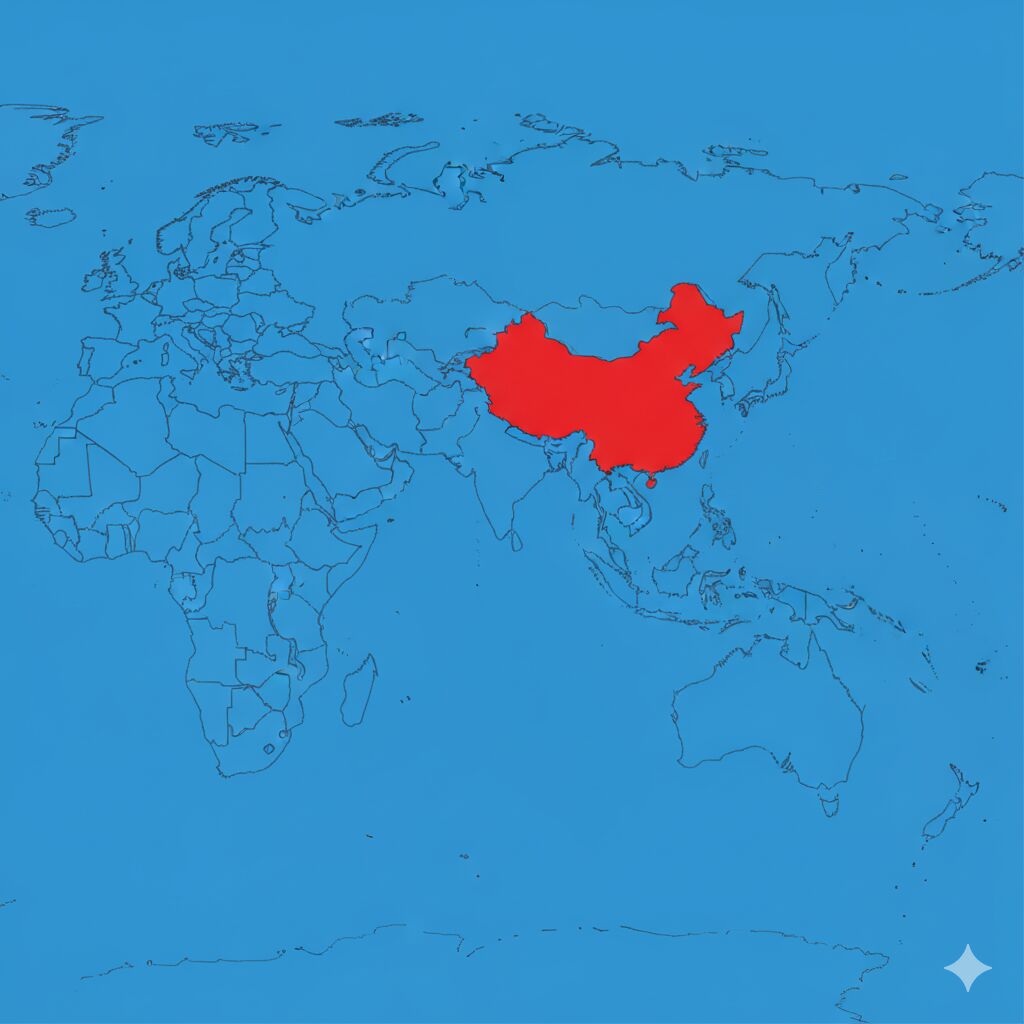
China, the world's leading producer of rare earths
China, the world's leading producer of rare earths Beyond mining, China dominates the downstream steps — separation, metallisation, magnet manufacture — which is where Europe's real industrial dependency sits.
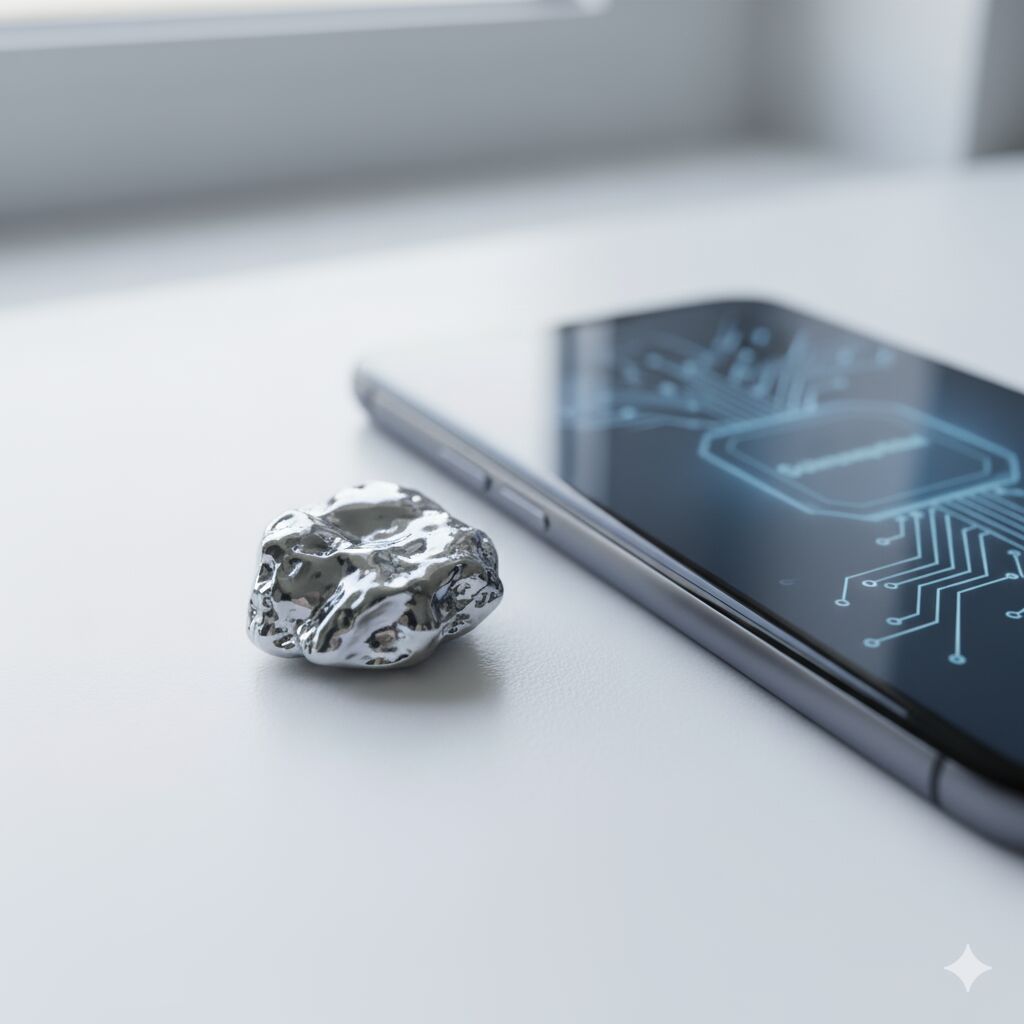
Smartphone and electronic components containing rare earth elements
No smartphones without rare earth elements A smartphone contains around ten rare earths: neodymium and dysprosium for speakers and haptics, europium, terbium and yttrium for display colour.