A seller can point to rising battery demand while offering cobalt cathodes that a battery-material plant cannot use as delivered. Metal cathodes, cobalt sulphate and battery cathode-active material are not interchangeable products. A credible resale case identifies which buyer can accept the actual material — and connects that buyer’s specification to the lot held in storage.
Key points
- “99.8% cobalt” is not a complete delivery specification. LME eligibility also requires an approved brand, an accepted physical form and compliance with the applicable delivery rules.
- Battery demand does not translate directly into demand for metal cathodes. Battery-material production principally uses cobalt-bearing chemicals, with process-specific qualification requirements.
- Resale evidence belongs to the lot. Producer identity, batch assay, packaging, weight and custody records need to describe the same material.
- Allocated storage is not a buyback mechanism. Specific ownership can support a transfer, but it does not create an industrial customer or establish the net resale proceeds.
What “LME-grade cobalt” actually establishes
The London Metal Exchange’s physical cobalt contract specifies a minimum cobalt purity of 99.80%, an LME-approved brand and a standard lot of 1 metric tonne, with a ±2% tolerance. These requirements operate together. A laboratory result showing 99.8% cobalt does not establish that an anonymous parcel can enter the exchange delivery system.
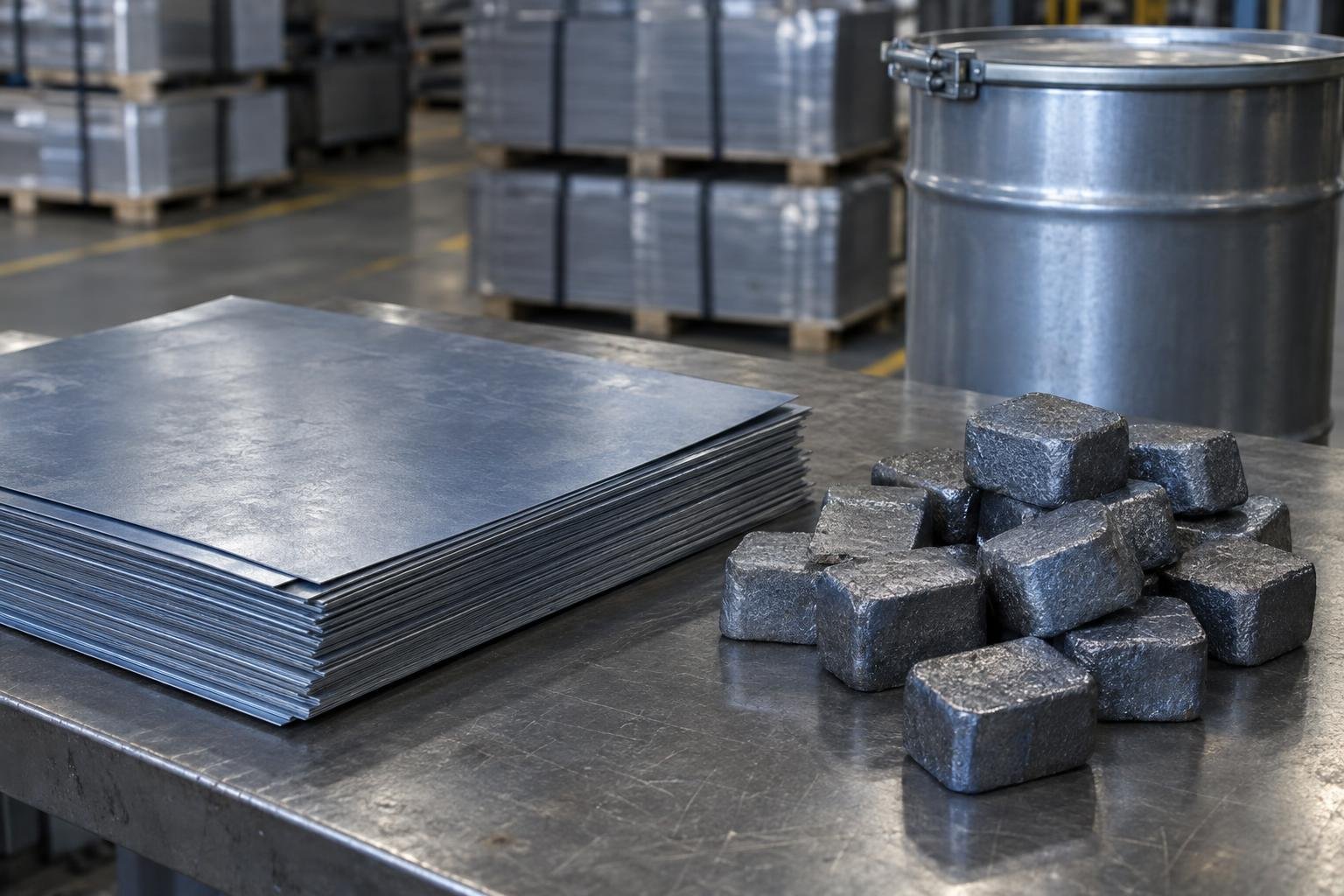
The recognised shapes are broken cathodes, cut cathodes, rounds, briquettes and coarse-grain powder. Whole cathode plates and ingots also exist commercially, but a commercial product description does not establish eligibility under that list. Brand approval and physical-form compliance are separate questions.
The published physical requirements specify uniform cut cathodes no larger than 50 mm and a respirable-size fraction below 0.01% for coarse-grain powder. The 2026 Part 6 redline also sets out uniform steel-drum sizes of 200 kg, 250 kg or 500 kg, with no part-filled drums. Because that document is an amendment text, delivery acceptance rests on the operative rulebook at the proposed delivery date, not the redline alone.
For an exchange-deliverability claim, the evidence so includes the exact producer and brand designation, matching batch documents, the applicable physical specification and warehouse acceptance. A seller’s use of “LME-grade” cannot substitute for those records.
Cathodes, briquettes and powder face different acceptance tests
Cobalt cathode is electrolytically refined metal deposited as plates. Cutting or breaking those plates produces more manageable feed for melting, alloying or chemical conversion. Briquettes provide compact, regular pieces; powder serves specialised processing routes but adds particle-size and dust-control requirements. These differences affect handling and resale even when the stated cobalt content is similar.
| Form | Commercial use or advantage | Evidence affecting resale |
|---|---|---|
| Broken or cut cathode | Recognisable refined-metal feed for melting, alloying or conversion. | Producer, batch assay, dimensions, surface condition and traceable cutting or repacking. Exchange-linked delivery additionally requires an approved brand and compliant form. |
| Cobalt briquettes | Compact pieces that can simplify handling and process dosing. | Manufacturing identity, assay, dimensions, packaging and buyer acceptance of the briquette specification. |
| Coarse-grain powder | Feed for specialised chemical or powder-processing applications. | Chemical assay, particle-size distribution, respirable fraction, contamination controls and applicable transport classification. |
| Rounds and ingots | Solid forms suitable for storage and melting where accepted by the buyer. | Rounds appear in the LME-recognised shape list; ingots do not appear in that list. Neither form gains exchange eligibility from purity alone. |
| Cobalt hydroxide | Cobalt-bearing intermediate for chemical and battery-material processing. | Contained cobalt, moisture, impurities, origin and the buyer’s payable-metal terms. It is not refined cobalt metal. |
| Cobalt sulphate | Chemical feed for battery precursor and cathode-material production. | Chemical specification, impurity profile and process qualification — not a metal-grade assay alone. |
“Battery grade” is consequently too vague without a product identity and specification. On a metal offer, the term does not establish acceptance by a battery-material producer. On a sulphate offer, a metal-purity threshold does not describe the chemical product being delivered.
Battery demand is not an order book for cobalt cathodes
The Cobalt Institute’s Cobalt Market Report 2025, published in May 2026, records cobalt demand of 276 kilotonnes in 2025, up 13% year on year, with batteries the dominant demand driver. That is market-wide cobalt demand, not demand specifically for refined cathode metal.
The USGS cobalt outlook distinguishes the major chemical and metal applications. Lithium-ion battery cathode materials account for the principal end use, while superalloys serve high-temperature and corrosion-resistant applications such as jet engines and industrial gas turbines. Battery-material plants qualify feedstocks against their production chemistry; a plant configured for cobalt sulphate or hydroxide has no automatic reason to accept a private parcel of metal cathodes.
Specialty-alloy producers, hard-metal manufacturers and chemical converters represent other industrial outlets, but each applies a different acceptance test. An alloy producer assesses the alloying feed and its impurities. A hard-metal producer needs feedstock suited to binder production. A chemical converter needs material compatible with its conversion process. None of these uses creates unrestricted demand for any object described as physical cobalt.
A proposal marketed as a way to “invest in cobalt” therefore needs a resale case for the actual product, rather than relying on aggregate battery-demand growth. The relevant commercial evidence is a buyer specification or purchase indication covering the stored form, brand, quantity and condition.
A resale-grade assay describes more than cobalt content
A useful certificate of analysis identifies the producer or laboratory, batch, sampling basis, analytical methods, reported elements and detection limits. Its batch references must reconcile with the packing list and stored containers. A report showing only a cobalt percentage leaves the buyer unable to assess the impurity profile against its process specification.
The LME guidance for cobalt brands includes limits for carbon, cadmium, copper, iron, manganese, nickel, lead, sulphur and zinc. For example, it lists maximum carbon of 0.02% and sulphur of 0.010% for standard forms, with stated alternatives of 0.10% carbon and 0.04% sulphur for coarse-grain powder. These element-specific limits do not replace the overall cobalt-purity requirement or the remaining impurity schedule.
Physical condition creates a separate acceptance question. Oxidation, oil, moisture, mixed batches and contamination can lead to reinspection, deductions or rejection. A refinery certificate describes the sampled batch at a particular stage; it does not document every subsequent handling event.
Undocumented cutting is a particular weakness for cathodes. An original plate assay may remain relevant, but the file also needs to explain who cut the material, how the resulting pieces remained segregated, and how the original batch identity was preserved. Clean-looking fragments and a copied certificate do not establish that connection.
Where a buyer requires fresh sampling, the commercial terms need to address the sampler, laboratory, sampling method, permitted destructive testing and treatment of conflicting results. Surface testing alone may not resolve concerns about mixed or contaminated material.
The custody file must connect the assay to the metal
For a stored cobalt lot, the documentary chain begins with the commercial invoice, seller identity, producer or refinery identity, batch certificate, packing list, net and gross weights, photographs, shipping documents and payment record. The custody file then adds the warehouse receipt, intake inspection, seal numbers, storage agreement, insurance evidence and subsequent transfer records.
Those documents have different functions. A certificate of analysis describes tested material. A warehouse receipt records receipt or storage under its terms. An invoice records a transaction. None, by itself, establishes that the seller has unrestricted title to the specific cobalt currently held.
An allocation claim is stronger when the warehouse’s own records identify the seller’s batch, containers and weight. The title review also addresses pledges, financing, leases, warehouse liens and prior commitments. A pooled balance described only as kilograms of cobalt is not the same evidence as identified cathode drums or briquette containers allocated to a named owner.
Certificate and custody-document checks involve the named refinery, laboratory and warehouse, rather than relying solely on copies supplied by the seller. This is particularly important where the file contains inconsistent batch numbers, reused photographs, unexplained repacking or a warehouse receipt that the issuing facility cannot reconcile to its inventory.
Allocated-storage resale also depends on the storage contract. A transfer within the warehouse requires documented title-transfer mechanics; physical withdrawal requires release authority and handling arrangements. Insurance evidence needs to identify whether the relevant cobalt form, value and transit are covered, including powder where applicable.
Which resale channels can accept the lot?
The appropriate channel follows the material’s condition, documentation and scale. An intact, homogeneous producer lot presents a different proposition from mixed cathode fragments or powder without a particle-size record.
| Channel | Material it can address | Commercial constraint |
|---|---|---|
| Direct industrial buyer | A documented lot matching the plant’s qualified feedstock specification. | The buyer needs the required form, quantity and impurity profile; broad cobalt consumption is insufficient. |
| Specialist metal trader or distributor | Saleable metal requiring aggregation or placement with an end user. | The purchase price can incorporate verification, logistics, financing, storage and placement costs. |
| Refiner or toll processor | Material requiring melting, conversion or further assay. | Settlement may depend on recovered cobalt, processing charges and agreed losses rather than nominal gross weight. |
| Metal recycler | Mixed, contaminated or off-specification cobalt-bearing material. | Recovery value is a different commercial basis from resale as specification-compliant refined metal. |
| LME-linked trader and warehouse channel | Approved-brand cobalt meeting the applicable exchange requirements. | Tonne-scale lots, warrant procedures, compliant packaging and professional logistics remain necessary. |
A private vault can facilitate custody and a bilateral title transfer, but storage alone is not a separate source of industrial demand. A buyback undertaking requires a named purchasing counterparty, covered brands and forms, pricing terms, rejection rights and settlement conditions. A broker’s willingness to seek a buyer is not an obligation to purchase.
Why small private holdings face disproportionate friction
The LME’s 1-tonne lot is materially different from a kilogram-scale private holding. Commercial procurement can operate at larger handling units still: Logridge’s cobalt procurement description gives cathode bundles of approximately 2-2.5 tonnes. That is a reported commercial format, not a universal LME requirement, but it illustrates the mismatch between industrial logistics and a small private parcel.
A small lot may still require independent assay, repacking, palletisation, insured freight and buyer inspection. Powder adds particle-size documentation, dust controls and product-specific transport assessment. These tasks do not disappear because the quantity is below an industrial buyer’s normal purchase size.
The quoted purchase price is therefore only part of the resale calculation. A usable purchase indication states the weight basis, assay basis, deductions, responsibility for freight and testing, rejection conditions and payment trigger. Settlement after arrival assay or successful conversion leaves a different exposure from payment against an accepted warehouse transfer.
The cited exchange specifications do not supply a standard retail dealer spread, minimum retail purchase size or guaranteed small-lot buyback. Those terms belong in the actual counterparty agreement. A quoted cobalt reference price also needs a stated product basis: metal, hydroxide and sulphate occupy different points in the processing chain and are not interchangeable price quotations.
Cross-border costs require the product’s form, customs classification, origin, destination and shipment route. No jurisdiction-specific tariff, import-VAT treatment or licensing determination is supplied by these contract specifications. A cathode shipment, a powder shipment and a sulphate shipment therefore cannot share a legal-cost assumption merely because each contains cobalt.
What a credible resale file demonstrates
A credible physical-cobalt resale file connects three things: the material that exists, the rights being transferred and the buyer’s acceptance specification. The batch assay and packaging records identify the cobalt; the custody and title records identify who can transfer it; and the purchase terms establish whether that particular cathode, briquette or powder lot has an executable outlet. Missing links change the claim from documented resale capability to a proposal that still requires qualification.
Sources
- London Metal Exchange — Cobalt physical contract specifications.
- London Metal Exchange — 2026 physical-markets reform, Part 6 redline.
- London Metal Exchange — Guidance Notes for Cobalt Brands.
- USGS — World Minerals Outlook, 2025, including cobalt applications and supply-chain context.
- Cobalt Institute — Cobalt Market Report 2025, published May 2026.
- Logridge — Cobalt Procurement, commercial handling and documentation practices.