Neodymium, Praseodymium and Dysprosium: The Magnet Metals Behind EVs, Wind Power and Defense
For industrial buyers, engineers, supply-chain analysts, and investors, magnet metals are not an abstract commodities story. They directly shape motor size, generator efficiency, thermal performance, lead times, and margin stability. In electric vehicles, offshore wind, aerospace, robotics, and defense systems, the same issue keeps surfacing: how do you secure high performance without locking your business into avoidable supply risk?
Traditional approaches still exist. Ferrite magnets are cheaper. Induction and switched reluctance motor designs can reduce or avoid rare earth dependence. Gear-driven wind systems can limit magnet use. But old approaches often fall short where compact size, low weight, low maintenance, and high efficiency matter most. This means for your business: the real cost is not just the metal price. It is redesign, extra cooling, larger housings, more maintenance, and delayed programs when material strategy is treated as an afterthought.
Why rare earth magnets outperform older solutions
The reason magnet metals matter is simple: neodymium-iron-boron magnets, commonly called NdFeB magnets, deliver exceptional magnetic strength in a small package. That allows engineers to build motors and generators that are lighter, more compact, and more efficient than many alternatives. In EVs, that can mean better torque density and improved efficiency across real driving cycles. In wind power, it enables direct-drive generators that remove gearbox complexity. In defense, it supports compact actuators, precision guidance, radar subsystems, and electric drive components where size and reliability are critical.
Companies like yours typically see the biggest benefit when space, heat, and uptime are constrained at the same time. A magnet decision is rarely just a materials decision. It affects thermal design, power electronics, enclosure size, maintenance intervals, and even shipping weight. Here’s what actually moves the needle: understanding which metal provides core magnetic force, and which metals act as thermal insurance.
What NdPr, dysprosium, and terbium actually do
NdPr is industry shorthand for neodymium plus praseodymium. These two light rare earth elements are often discussed and traded together because they sit close together in the refining chain and because both contribute to the magnetic performance of NdFeB magnets. Think of NdPr as the core ingredient that gives the magnet its strength. It provides the high magnetic flux that makes permanent magnet motors small and powerful.
Dysprosium and terbium play a different role. They are used in smaller amounts to improve coercivity, which is the magnet’s resistance to losing magnetism under heat and stress. In plain terms, NdPr gives you the muscle; dysprosium and terbium help that muscle keep working when temperatures rise. This is especially important in EV traction motors, high-duty industrial drives, offshore wind generators, and defense systems exposed to harsh operating conditions.
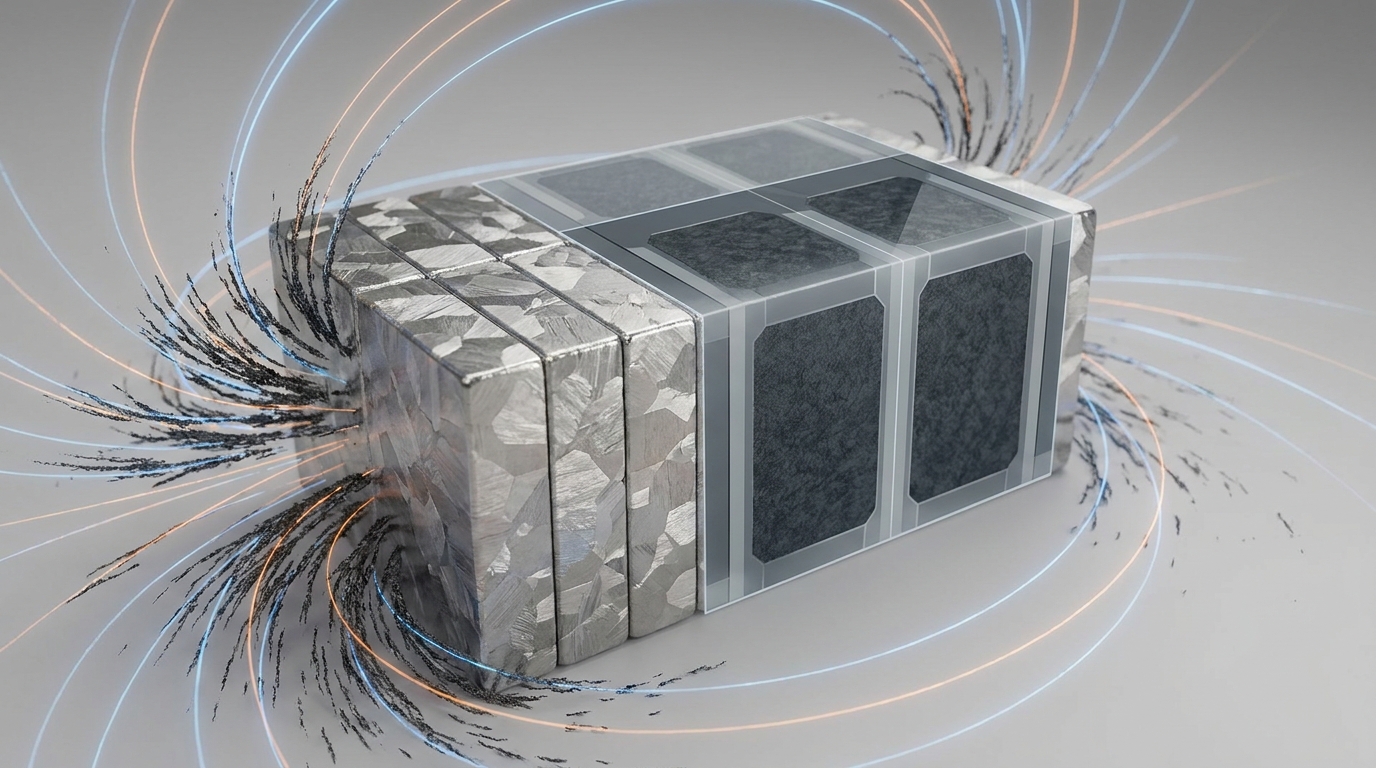
- Neodymium: Delivers most of the base magnetic strength in NdFeB magnets.
- Praseodymium: Works alongside neodymium in the magnetic structure and is commonly part of the commercial NdPr mix.
- Dysprosium: Raises heat resistance and helps magnets hold performance at elevated temperatures.
- Terbium: Also improves high-temperature coercivity, often even more effectively than dysprosium, but it is scarcer and typically more expensive.
One important nuance for buyers and engineers: more dysprosium or terbium is not always better. Heavy rare earth additions improve thermal stability, but they can also reduce peak magnetic performance and raise cost sharply. That is why the right question is not, “How much Dy or Tb can we add?” It is, “What is the minimum heavy rare earth content needed to meet the real operating temperature?”
Where magnet metals sit in the global value chain
The magnet metals supply chain is more complicated than many procurement teams first expect. Mining is only the starting point. Ore must be processed into separated rare earth oxides, then converted into metals or alloys, then turned into magnet powder, sintered or bonded into finished magnets, machined, coated, and finally integrated into motors or generators. The biggest business lesson is this: mining diversification alone does not solve supply risk if separation, alloying, and magnet manufacturing remain concentrated.
- Upstream: Mining and concentrate production from rare earth-bearing ores.
- Midstream: Separation, refining, metal making, and alloy production.
- Downstream: Magnet manufacturing, motor or generator assembly, and system integration.
Globally, the most serious choke points are still in the midstream and magnet-making stages. China remains the dominant force in separation and finished magnet production, while heavy rare earth supply for dysprosium and terbium is even narrower. For investors, this means the most strategic bottlenecks are often not the mine itself but the refining and fabrication capabilities that convert ore into usable magnetic material.
Why substitution is harder than it sounds
On paper, substitution sounds attractive. Use ferrite magnets. Shift to induction motors. Move to switched reluctance designs. Reduce or eliminate heavy rare earth content. In practice, each option changes the rest of the system. Ferrite magnets are far weaker, so motors typically get larger and heavier. Rare-earth-free motor designs often need more sophisticated controls, different torque characteristics, or changes in cooling and acoustics. In wind power, alternative drivetrain choices can bring back maintenance trade-offs that permanent-magnet direct-drive systems were designed to remove.
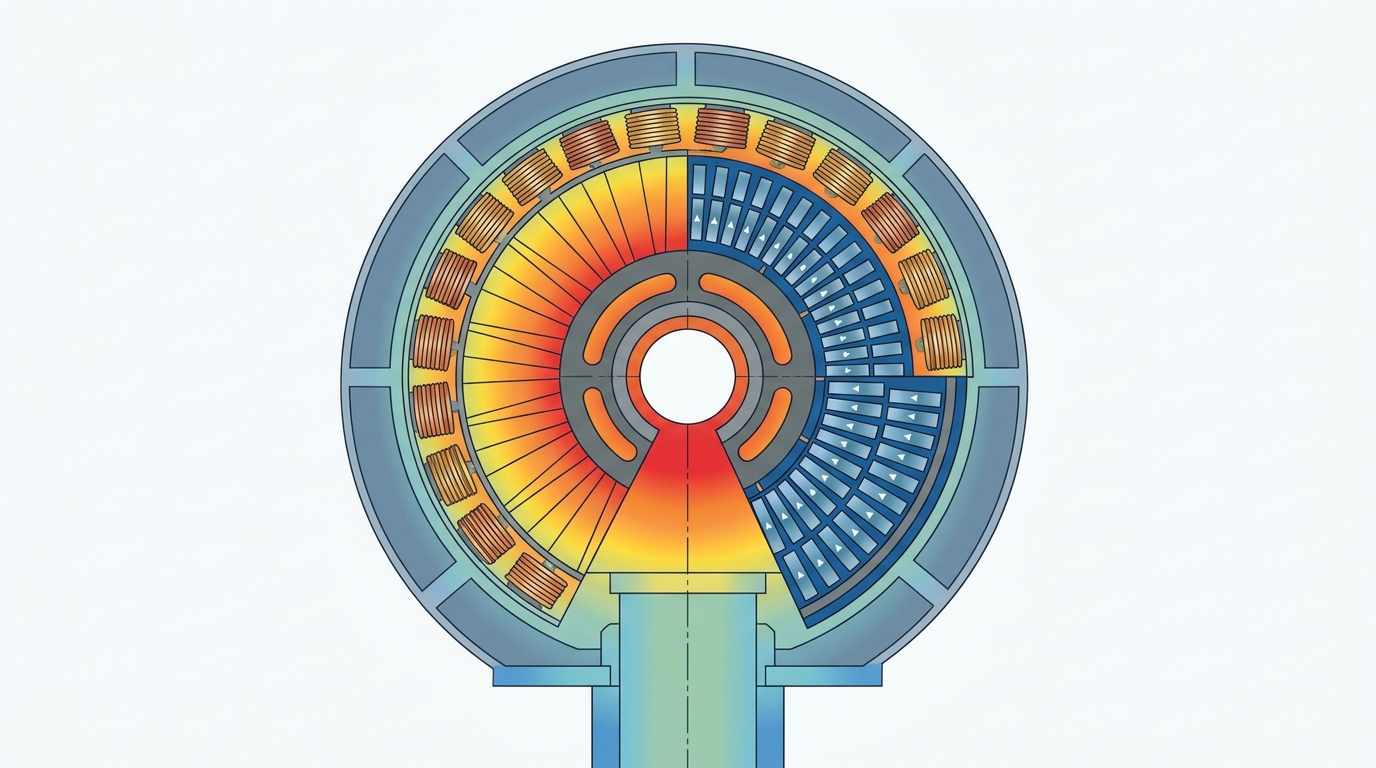
There are real improvements happening. Grain-boundary diffusion and other magnet engineering techniques can reduce dysprosium usage while preserving heat resistance. Better cooling can allow lower-Dy designs in some EV and industrial applications. But these are optimization strategies, not complete escape routes. What we see across the market is that substitution usually shifts cost elsewhere rather than making it disappear.
- Ferrite magnets: Lower cost and more abundant, but much lower magnetic strength.
- Induction or switched reluctance motors: Can reduce rare earth exposure, but may require larger systems or more complex control strategies.
- Low-Dy designs with added cooling: Lower material intensity, but potentially higher thermal-system cost and tighter operating limits.
- Dy-saving magnet processes: Useful for reducing heavy rare earth loadings, but they do not eliminate NdPr dependence.
For engineers, the key trade-off is usually temperature. If the application runs hot, heavy rare earths may still be the most practical answer. For supply-chain teams, the key trade-off is qualification time. Even when a substitute exists, validating a new motor architecture or magnet grade can take far longer than a buyer wants during a supply squeeze.
The supply-chain risks that matter most
There are four risks that deserve board-level attention. First is concentration risk: too much of the world’s separation and magnet production sits in a small number of geographies. Second is heavy rare earth scarcity: dysprosium and terbium are used in smaller quantities than NdPr, but their supply is tighter and more vulnerable to disruption. Third is demand acceleration: EVs, wind power, automation, and defense are all pulling on the same material pool. Fourth is qualification risk: a magnet shortage is not solved quickly if your approved supplier list is too short.
In our experience with similar companies, the most expensive mistake is treating rare earth magnets as a standard catalog buy. Price charts alone do not tell the full story because oxide, metal, alloy, and finished magnet markets can move differently. Lead times can also widen at the alloy or sintering stage even when upstream material looks available. That is why a sourcing plan must map the whole chain, not just the mine origin.
What actually moves the needle for buyers, engineers, and investors
A practical procurement strategy starts with separating must-have performance from nice-to-have margin. Engineers should define the true thermal window, duty cycle, corrosion exposure, and service life. Buyers should then source to that specification, not to a blanket “highest grade available” rule. This is where the biggest savings often appear. The difference between a high-dysprosium magnet and a lower-Dy design with improved cooling can materially change cost, availability, and redesign complexity.
- Spec selection: Use high-Dy grades when the application genuinely needs heat resistance; use lower-Dy grades only when cooling, duty cycle, and reliability targets clearly support the trade-off.
- Contract structure: Lock roughly 70% of forecast volume under 3-year agreements and keep the remaining portion flexible for spot or opportunistic buying.
- Risk mitigation: Dual-source NdPr and dysprosium where possible, and qualify alternative magnet makers before a disruption hits.
- Recycling strategy: Allocate around 5% of the relevant materials or innovation budget to recycling pilots and magnet recovery partnerships.
- Design alignment: Bring procurement, engineering, and program management into the same review process so material choices and thermal design are made together.
For investors, the message is equally clear. The most resilient companies are not simply the ones with exposure to rare earth demand growth. They are the ones that control bottlenecks, qualify more than one route to supply, and invest in recycling or alloy optimization before the market tightens. Margin durability will increasingly come from supply-chain design, not just end-market growth.
Where the real impact shows up in EVs, wind power, and defense
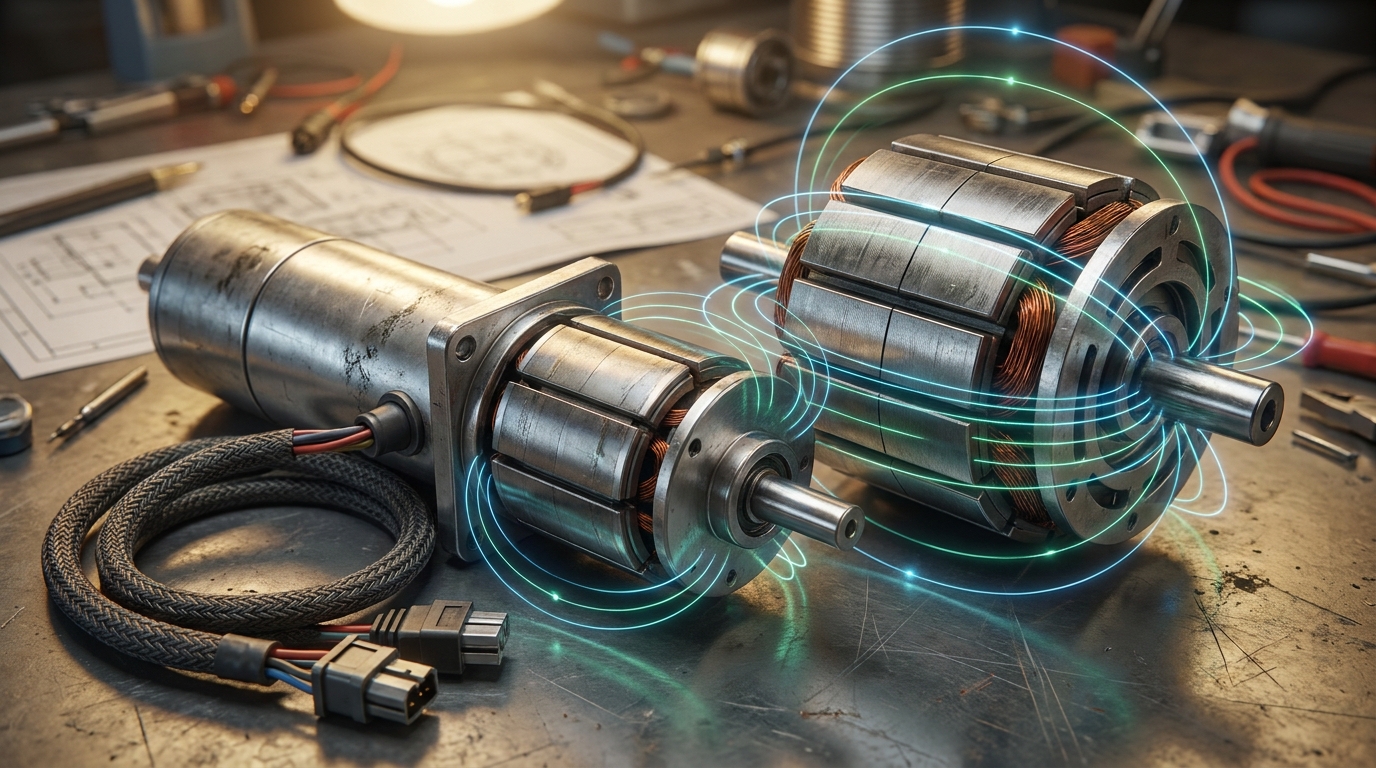
In EVs, rare earth magnets enable compact traction motors with strong torque density and high efficiency. That can translate into smaller packages, less battery draw for the same drive cycle, or more performance from the same vehicle platform. In wind power, permanent-magnet direct-drive systems reduce gearbox dependence and can improve maintenance economics, especially offshore where every service trip is expensive. A single large turbine can contain significant magnet volumes, so grade decisions matter both technically and financially. In defense, the volumes may be smaller than automotive, but qualification, reliability, and security-of-supply requirements are much stricter.
The common thread is that these are high-consequence applications. When performance matters, substitution is rarely a simple one-for-one swap. The choice is usually between paying more for the right magnetic chemistry now or paying later through redesign, reduced efficiency, or program delay.
Your path forward
- Map every component in your portfolio that depends on rare earth magnets.
- Separate applications by thermal severity, duty cycle, and uptime criticality.
- Define approved high-Dy, low-Dy, and diffusion-enhanced grades where relevant.
- Secure base-load volume with multi-year contracts and dual-source critical materials.
- Start small but real recycling and recovery programs now, before they become urgent.
- Track cost, lead time, temperature margin, and recycled content as part of the same KPI set.
Magnet metals will remain strategically important because they solve a very practical business problem: how to get more performance from less space, less weight, and less maintenance. Neodymium and praseodymium provide the core magnetic strength. Dysprosium and terbium provide thermal resilience. The companies that win will be the ones that treat those facts as part of product strategy, not just raw-material purchasing. That is how you turn a critical-minerals risk into an operational advantage.